

How to Choose the Right Style of Yoga to fit Your Lifestyle
December 22, 2025
Mention yoga to non-practitioners and their idea of what a yoga class is might vary widely. Some might imagine an hour of sitting cross-legged and chanting, whilst others may think of a vigorous workout. Granted, these are extremes, but you don’t need to look far to find either of these class styles. As a practice, yoga has developed into several distinct styles since its inception.
Whether you’re a seasoned practitioner or just thinking about booking your first yoga class, there’s bound to be a style that suits you best. Your favorite style of yoga will match your goals, energy levels, and daily routines. To discover the style that works best for you, follow the tips in this blog post, and don’t be afraid to try something new.
Understanding Different Yoga Styles
Even if you’re brand-new to yoga, chances are that you’ve come across the names for different styles of yoga already. Yoga styles like Vinyasa or Hatha have been among the most popular for several decades if not centuries. As the number of practitioners of yoga overall has grown, these titles have become household names.
But what are the differences? And how can you choose the style best suited to you? In a nutshell, yoga styles differ in pace, focus, and intensity. Let’s start with a quick overview of some of the main variations you might encounter:
- Hatha, Vinyasa, or Ashtanga: These yoga styles are great for anyone who enjoys movement and structure. They help you improve flexibility and build strength. Still, there are some differences between these styles, and one of the biggest differences is in how you move from one pose to the next. In many Vinyasa yoga classes, for example, poses are connected, and you flow from one to the next. In others, you spend more time focusing on an individual pose before moving on to the next.
- Yin, Deep Stretch or Restorative: Imagine Hatha, Vinyasa, and Ashtanga yoga classes as active, yang classes. Then picture the perfect counterpart to them, and you’ll arrive at yoga styles that are ideal for relaxation, deep stretching, and recovery. Yin, Deep Stretch, or Restorative yoga classes allow you to lower your stress levels, access your parasympathetic nervous system to move out of fight-or-flight mode, and can even help you recover from illness or injury.
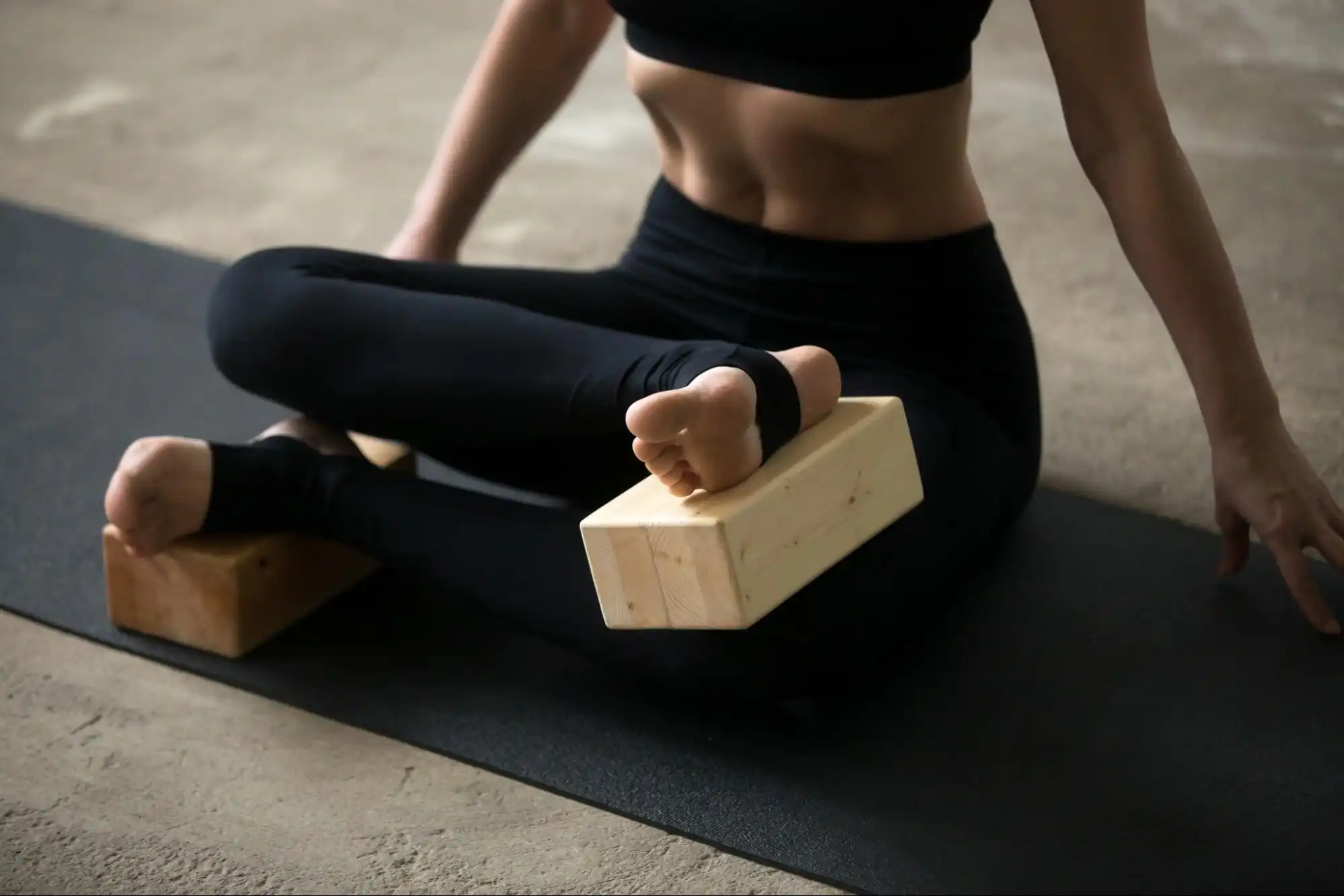
- Iyengar: If you would like to focus your practice on alignment or work on moving more precisely into your asanas, Iyengar yoga classes are an excellent choice. To support your journey toward precise alignment, Iyengar yoga classes encourage the use of props as your body adjusts and your confidence grows. That doesn’t mean that you can’t use props in other classes, too. In fact, you’ll find that each yoga style borrows from the others from time to time.
- Power or Hot Yoga: Power yoga or hot yoga are ideal for anyone looking to increase their cardiovascular fitness through an intense, energetic yoga practice. While you may not necessarily consider yoga classes to be intense workouts, these classes guarantee that you’ll break a sweat from your effort and the heat.
Most importantly, there is no single best yoga style. Different styles support different goals and suit different practitioners. In fact, many practitioners practice different styles on different days of the week. The right style for you depends on your personal goals, your preferences, and your energy levels when you step on your mat.
Assessing Your Yoga Goals and Your Lifestyle
We’ve already mentioned matching your preferred yoga style to your goals and lifestyle. In this section, we take a closer look at how you can get started with that.
One of the simplest ways of finding your preferred yoga style is to ask yourself a few questions and answer them mindfully. Do you have one overarching goal for your yoga practice? This could be stress relief, gaining physical strength, or reestablishing your emotional balance, for example. Simply wanting to explore a new activity is just as valid a reason.
Do you prefer slow, meditative movement, or are you looking for a dynamic, fast-paced flow when you practice? The answer may well differ from one day to the next, and you might find that you enjoy a fast-paced class followed by deep relaxation.
Are you recovering from an illness or injury, or are you looking for active conditioning? Many seasoned practitioners find that their yoga practice changes over the years, depending on what’s most important at the time.
What time of the day is your preferred time to practice? Perhaps you want to carve out some you time before the rest of the family wakes up in the morning? Or maybe you need a slow, meditative class to help you relax before you go to sleep. Most of us have a time when it feels natural to practice.
Speaking of time, how many hours will you be able to devote to practicing yoga every week? There are no right or wrong answers here. The goal is simply to point you in the right direction to find your preferred yoga practice. Remember that your practice is adaptable and can easily change as your goals are changing.
Try Different Styles and Notice What Feels Right
Armed with your answers to the questions above, it’s time to book that next yoga class. If you’re new to yoga, choosing a class that is beginner-friendly or open to all levels of practitioners may be more important than picking a specific style. If you’re in any doubt, don’t hesitate to ask one of our experienced instructors for guidance.
Trying a variety of classes, including gentle and more energetic options is another great way to narrow down your preferences. Why not make a few notes after class to remember how your body felt during and after your session and help you choose in the future. A simple reflection journal will make it easy to pick the right class at the right time.
Your journal will also let you see how your preferences changed over time and which practice benefited you at different stages of your life. Most importantly, avoid focusing on what others are doing and give yourself the room to explore what works for you.
Popular Yoga Styles to Explore at Uptown Yoga
Take a look at our schedule today, it’s packed with a wide variety of yoga classes and styles at different times to suit both early risers and (almost) night owls. We also offer lunchtime classes, and don’t forget that you can stream recordings of our classes whenever it suits you.
Many Uptown Yoga classes are suitable for all levels of practitioners, so it doesn’t matter if you’re just getting started, had a break from yoga, or have been practicing regularly for years. Your instructor can suggest pose variations to make an asana more accessible or allow you to achieve a deeper expression.
Vinyasa-inspired flow classes are some of our most popular sessions. They’re perfect for anyone looking for a dynamic, movement-based class. Restorative, Deep Stretch sessions offer a counterbalance to those more active classes, allowing you to achieve a deep level of relaxation.
In addition, we regularly offer specialty classes covering anything from inversions to prenatal yoga, and we’ve even had the studio full of kittens for an extra-special session.
FAQ: Choosing the Right Kind of Yoga to Fit Your Lifestyle
1. How do I know which type of yoga is right for me?
The best way to choose a yoga style is by assessing your personal goals and lifestyle. Ask yourself what you want from your practice, whether it’s relaxation, strength-building, stress relief, or flexibility. Once you have a clear idea, try a few different styles to see which resonates with your body and mind.
2. What is the difference between Vinyasa and Hatha yoga?
Vinyasa yoga is more dynamic and flows continuously from one pose to the next, while Hatha yoga typically involves holding each pose for a longer time. Vinyasa is great for building strength and endurance, while Hatha is ideal for beginners or those looking to improve their alignment and flexibility.
3. What’s the difference between Restorative and Yin yoga?
Both Restorative and Yin yoga focus on deep relaxation and holding poses for longer periods. However, Restorative yoga is more supportive, with props used to help your body completely relax. Yin yoga, while also slow-paced, focuses more on stretching the connective tissue and may not always use props.
4. Is Power Yoga suitable for beginners?
Power yoga can be intense, as it’s a faster-paced and more energetic practice. If you’re a beginner, it’s better to start with a gentler style like Hatha or Vinyasa. However, if you’re already active and enjoy a more strenuous workout, Power yoga may be a great fit for you.
5. How often should I practice yoga?
The frequency of yoga practice depends on your goals, lifestyle, and available time. For general well-being, practicing yoga 2–3 times a week is great. If you’re aiming for specific goals, such as increasing flexibility or building strength, more frequent sessions might be beneficial.
6. Can I combine different yoga styles in my practice?
Yes. Many practitioners enjoy mixing different styles to balance their practice. You can pair an energetic Vinyasa class with a calming Restorative or Yin session to give your body both strength and relaxation. The key is to listen to your body and find a rhythm that works for you.
Final Thoughts
Practicing yoga is a very personal journey, and no two paths are the same. That also means that there are no wrong choices, only classes that serve you better than others. Don’t be afraid to try a new style when you hit a plateau in your practice or simply feel that you’re not as connected as you would like to be. It’s normal for your practice to evolve over time – allow that change to happen, and you’ll have many happy years supporting your body, mind and spirit while moving closer to balance and self-awareness.