What are the Different Levels of Yoga Practice?
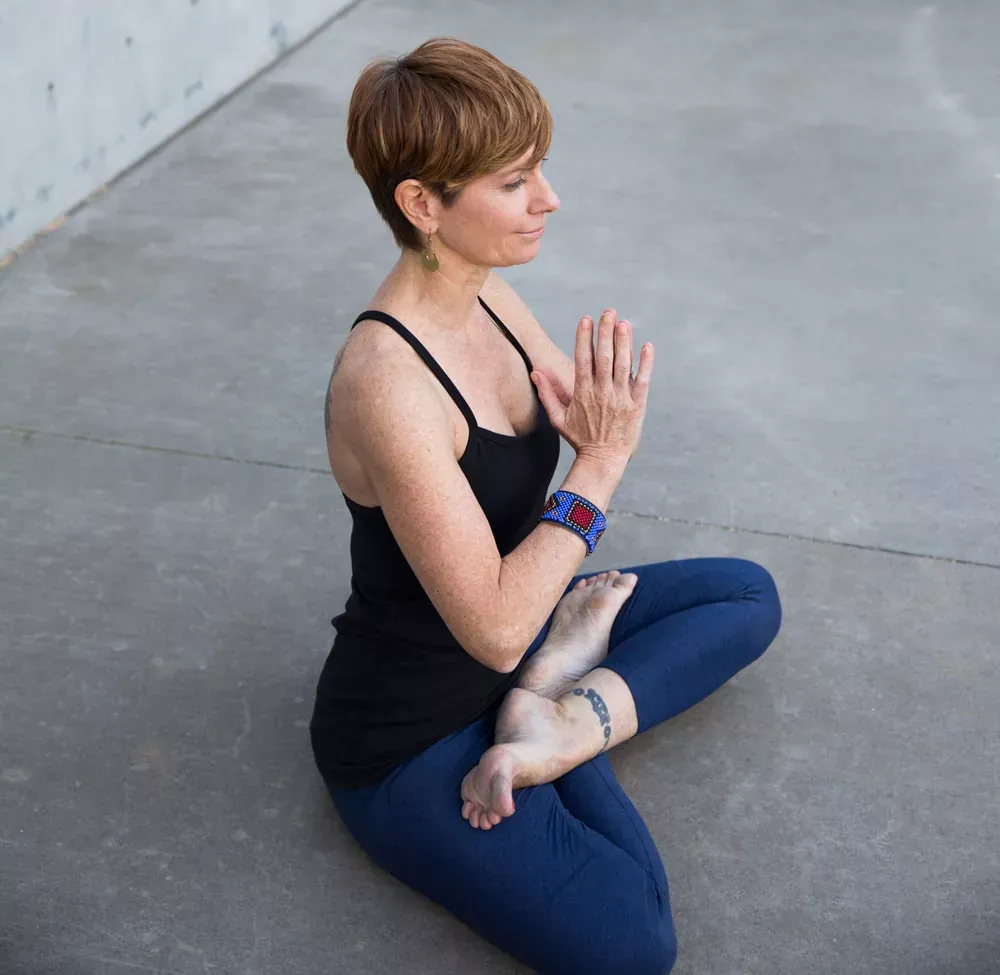
Asking about the different levels of yoga practice may seem like a simple question, but the answer is not that straightforward. If you’ve never practiced yoga before or just started taking a few classes, things are pretty clear: you’re a beginner.
If you practice regularly, you’ll start moving toward being an intermediate practitioner, and most instructors would probably be advanced practitioners. But here’s the thing – yoga is a journey rather than a destination. There are no clear distinctions between the levels like you would find, for example, in the kyu/dan rating system in karate.
The differences between the levels are more subtle, and there is no such thing as full mastery with nothing left to practice. That’s the beauty of yoga. There is something new to be discovered at every level of experience. Even highly experienced instructors will find something new to learn or a new challenge when they take a class with another instructor.
Who Should Choose an ‘All Levels’ Yoga Class?
If it’s so hard to distinguish between levels, then why do yoga classes have labels like beginner-friendly, advanced, or all levels? Are these labels even helpful?
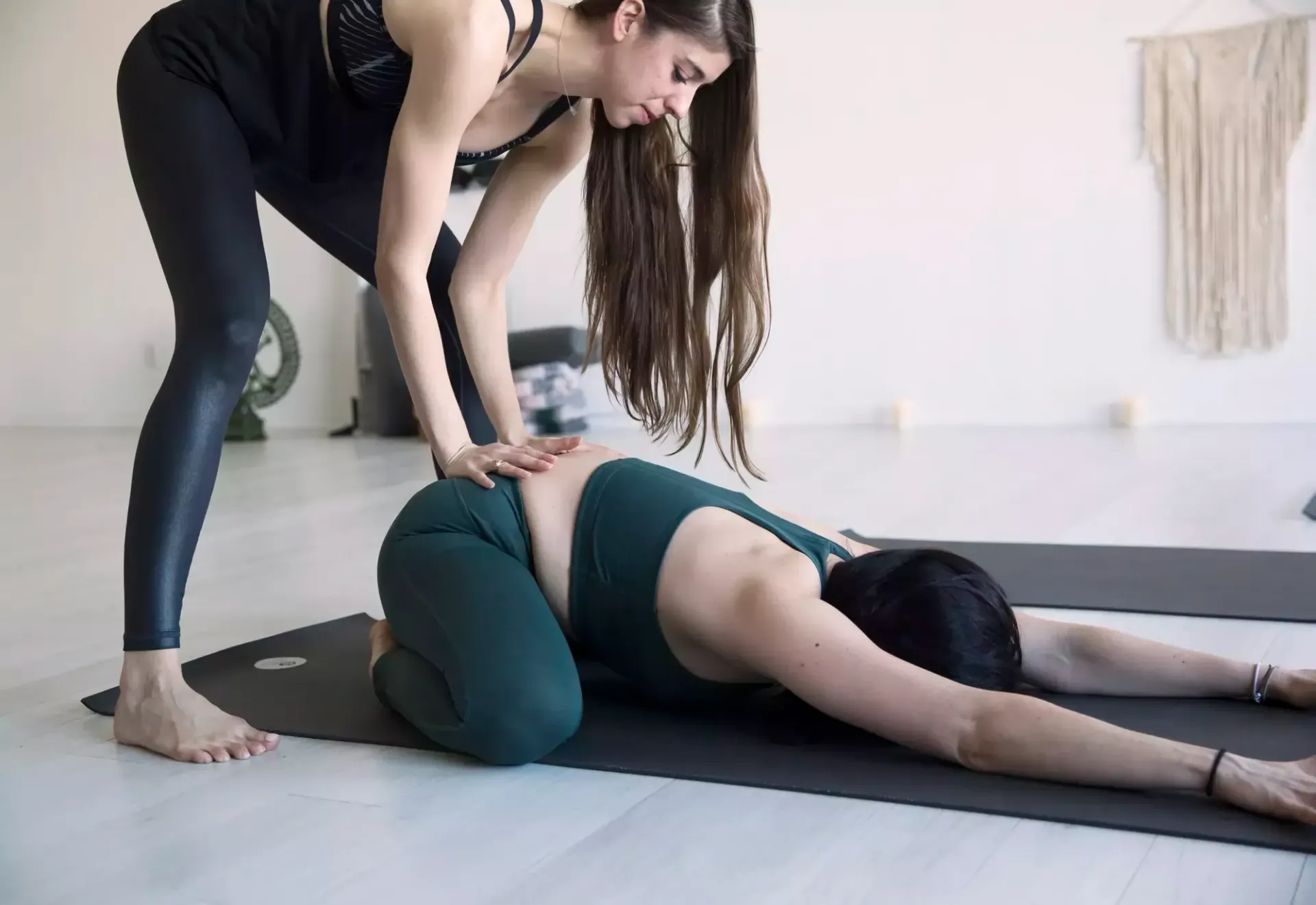
We believe that these labels are useful, not to exclude clients but to give you an idea of what to expect. In an ‘all levels’ class, our instructors work hard to offer different variations of asanas to match different experience levels.
If you feel like a beginner, you may start with the simplest variation. Assuming that feels easy, you’re welcome to try a harder variation. At the same time, more seasoned practitioners might realize that they’re not in top shape today. The goal is not necessarily to push yourself hard, but to observe where you are and be grateful for your progress.
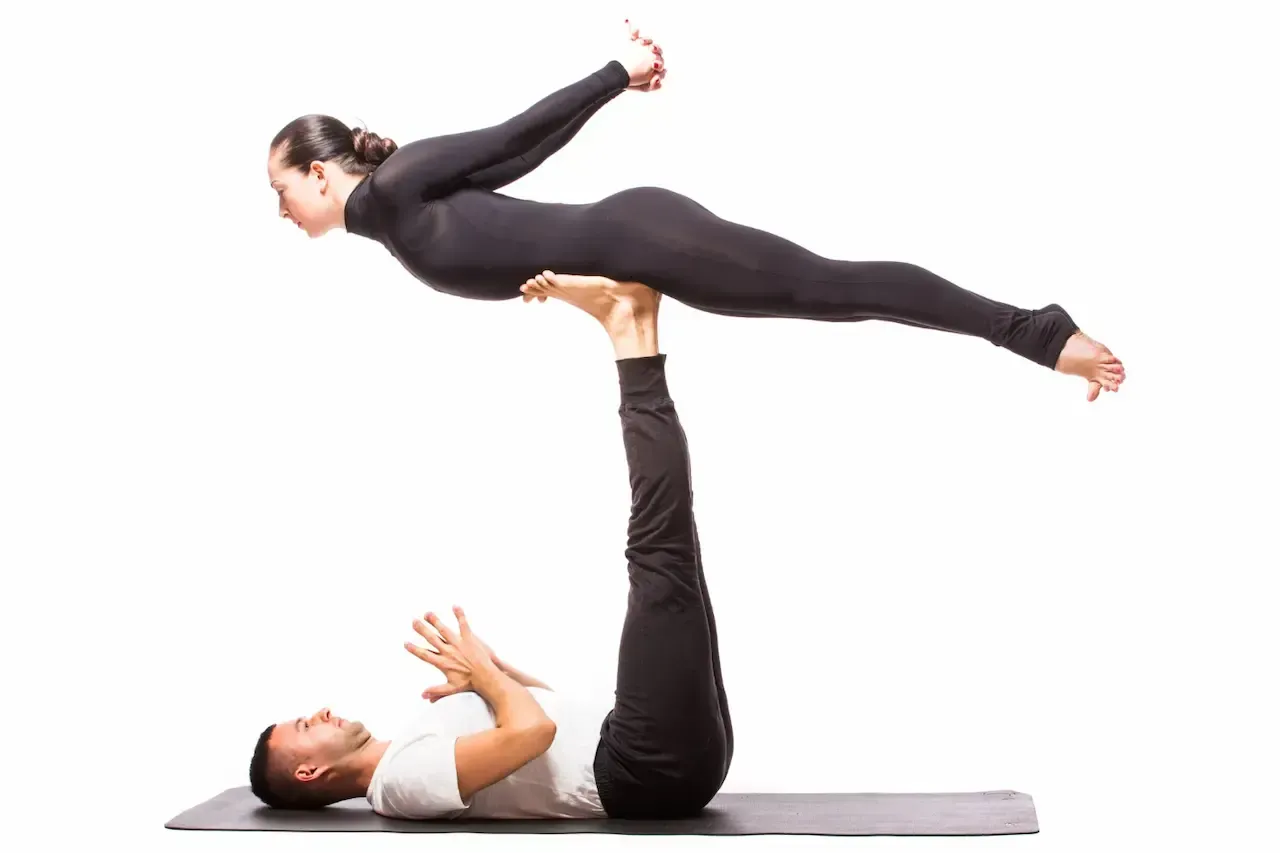
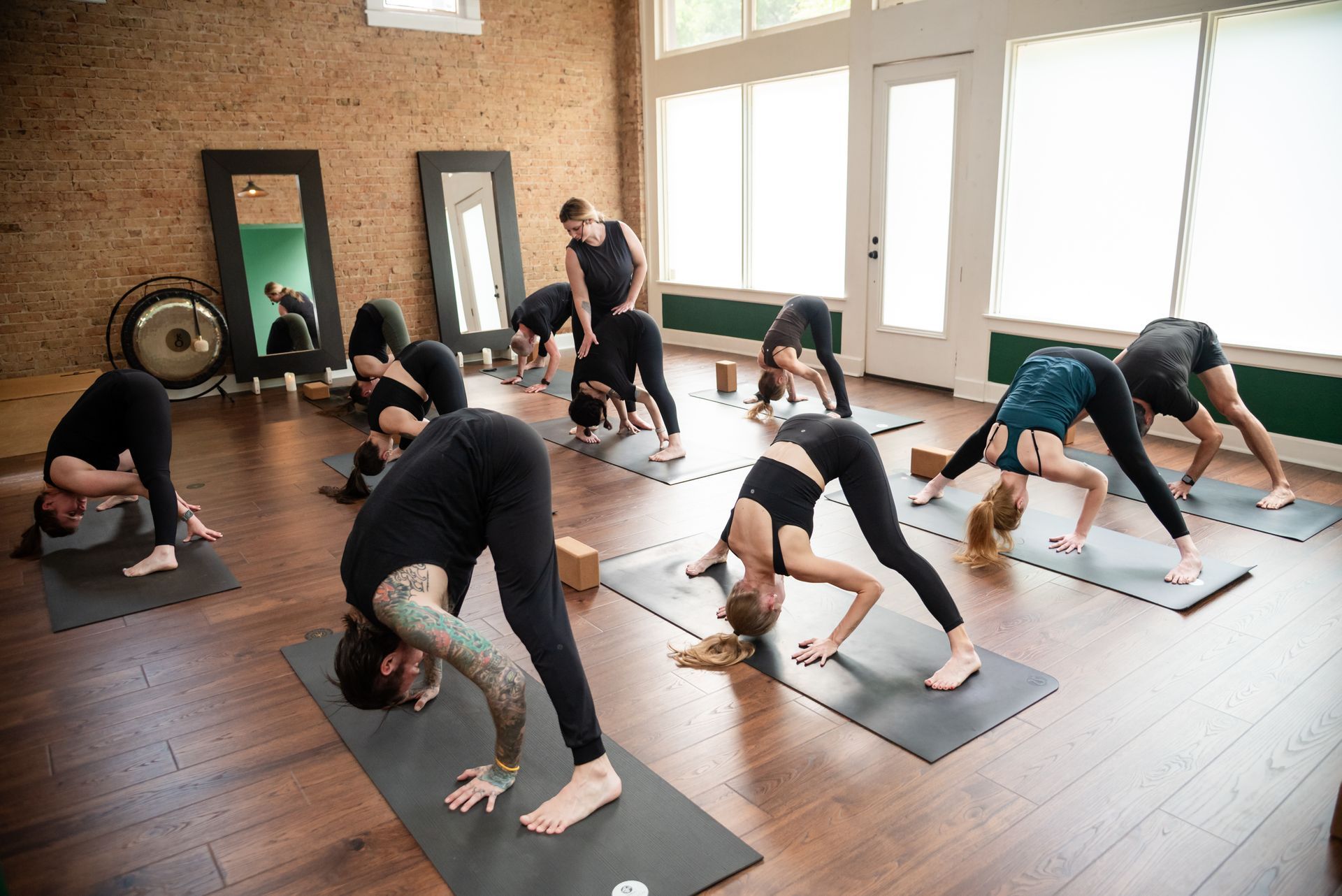
Take headstands, for example. In an ‘all levels’ class, your instructor may encourage participants with an established headstand practice to work by themselves or in pairs. If you’re only just beginning to explore these poses, our instructors will show you how to lay the foundations for the next stage.
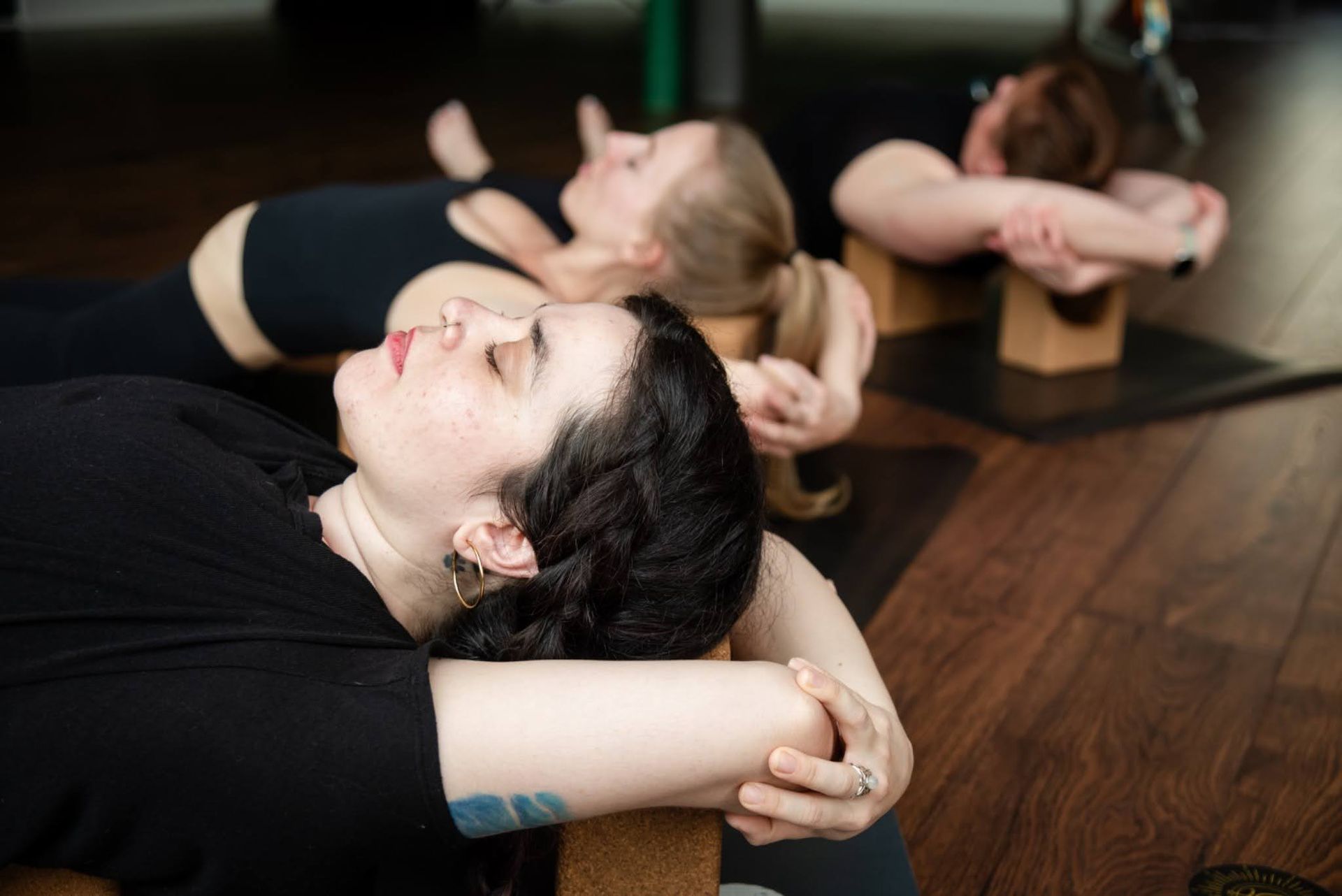
‘All levels’ classes are for everyone. At Uptown Yoga, our experienced instructors welcome beginners alongside seasoned practitioners and make sure everyone benefits from their time on the mat.
How Do I Know Which Level I’m At?
As we said above, there are no clear distinctions between levels of experience or mastery, but you will know when you’re moving from beginner to intermediate and advanced practitioner.
If you find yourself in a beginner class and all poses feel easy, it’s time to try intermediate or advanced classes. Don’t be discouraged if those classes are challenging. Instead, try to think of poses that you can’t fully perform yet as things to work on and pursue.
Likewise, if you used to attend intermediate classes but had to take a longer break, you may want to join a few beginner classes to ease yourself back in. Within a few weeks of regular practice, you may be back where you were a few months earlier.
Even if it looks like you’re in the ‘wrong’ class, chances are that there are things you can pick up and take away. Alternatively, talk to the Uptown Yoga team before committing to a level for more guidance. We want you to enjoy your yoga journey with all its ups and downs.
Which Poses Can Help Me Reach the Next Level?
Rather than focusing too much on specific asanas, here are a few fundamental principles that will help you reach your next level of yoga mastery.
- As a Beginner: Synchronize Breath and Movement
When you’re starting to practice yoga, don’t worry about perfect performance. Instead, move slowly, trying to understand the individual movements of an asana. Focus on synchronizing your breath and your movement. Eventually, your breath will guide your movements, but that’s only possible if you develop your awareness of your breathing.
At the same time, start thinking about mobility. It’s a myth that you need to be flexible to practice yoga. Practicing yoga will improve your flexibility and mobility. This is a great foundation for more advanced poses.
- As an Intermediate Practitioner: Build Core Strength
Having a strong core is about more than having a six-pack. Those abdominal muscles are part of your core, but they’re only effective when they’re supported by the muscles in the side body and the muscles around your ribcage.
One of the best ways of building core strength is to practice different variations of the plank pose. Even as a beginner, you can start working on these poses to explore your strengths and weaknesses. Ask our instructors for more inspiration if you feel that you’re getting stuck.
- As an Advanced Practitioner: Remember to Consolidate
When you start practicing yoga regularly, you progress quickly, adding to your repertoire of poses. As you’re moving through intermediate and advanced levels, that progress becomes less linear. It may feel like you’re going two steps forward and one step back.
Don’t get frustrated when that happens. Try returning to some of your favorite asanas, the ones that put a smile on your face, and practice those. Avoid putting more pressure on yourself and instead consolidate what you’re already happy with before taking a step forward. Relish the small wins, and you’ll soon start seeing progress.
Are You Ready to Go to the Next Level?
Yoga is about the practice and the journey. Different levels of mastery can help you choose classes that are best for you, but remember that your form varies every day and that yoga is not a competition. Focus on fundamentals right from the start and build your practice slowly, enjoying the community and the journey.
Take a look at our schedule of classes featuring a wide choice of yoga for all levels and some classes aimed at specific levels. If you’re not sure about the level of a class,
get in touch for a little more guidance. We’re always happy to help you progress on your yoga path and guide you toward expanding your practice!