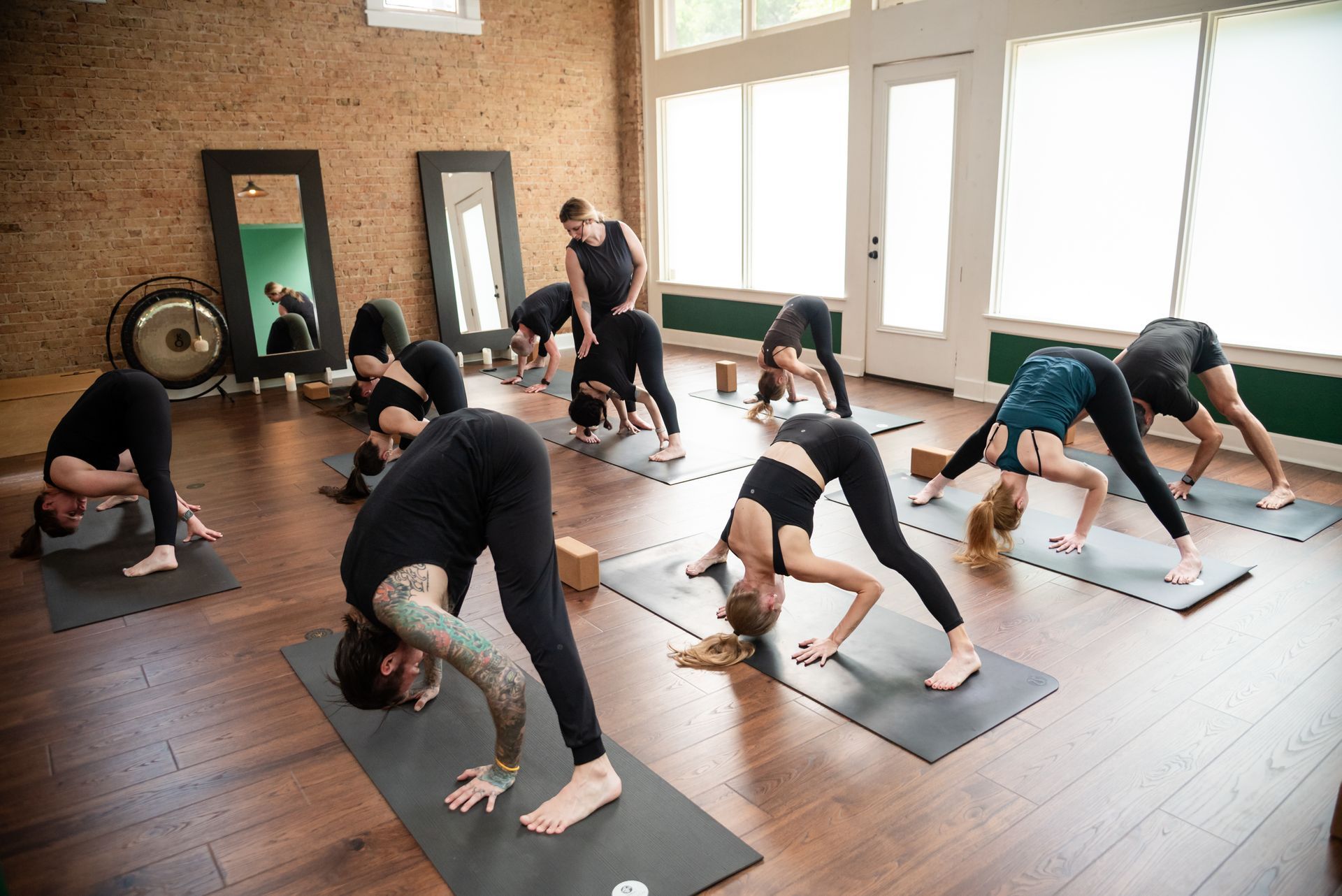
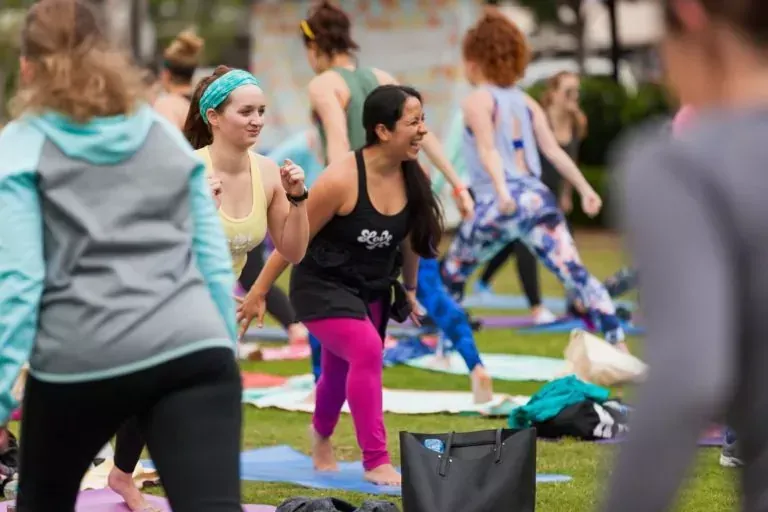
What is Deep Stretch Yoga?
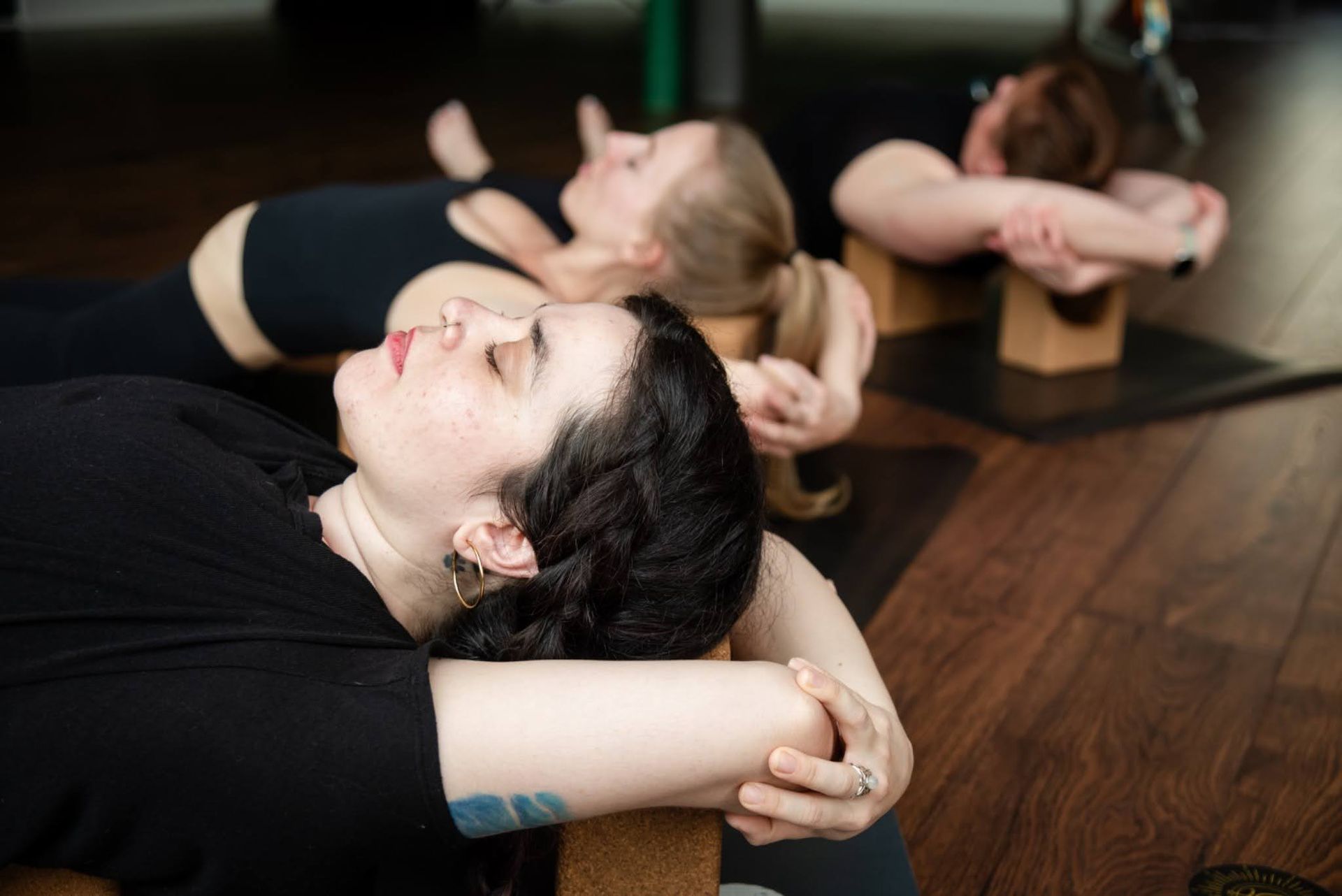
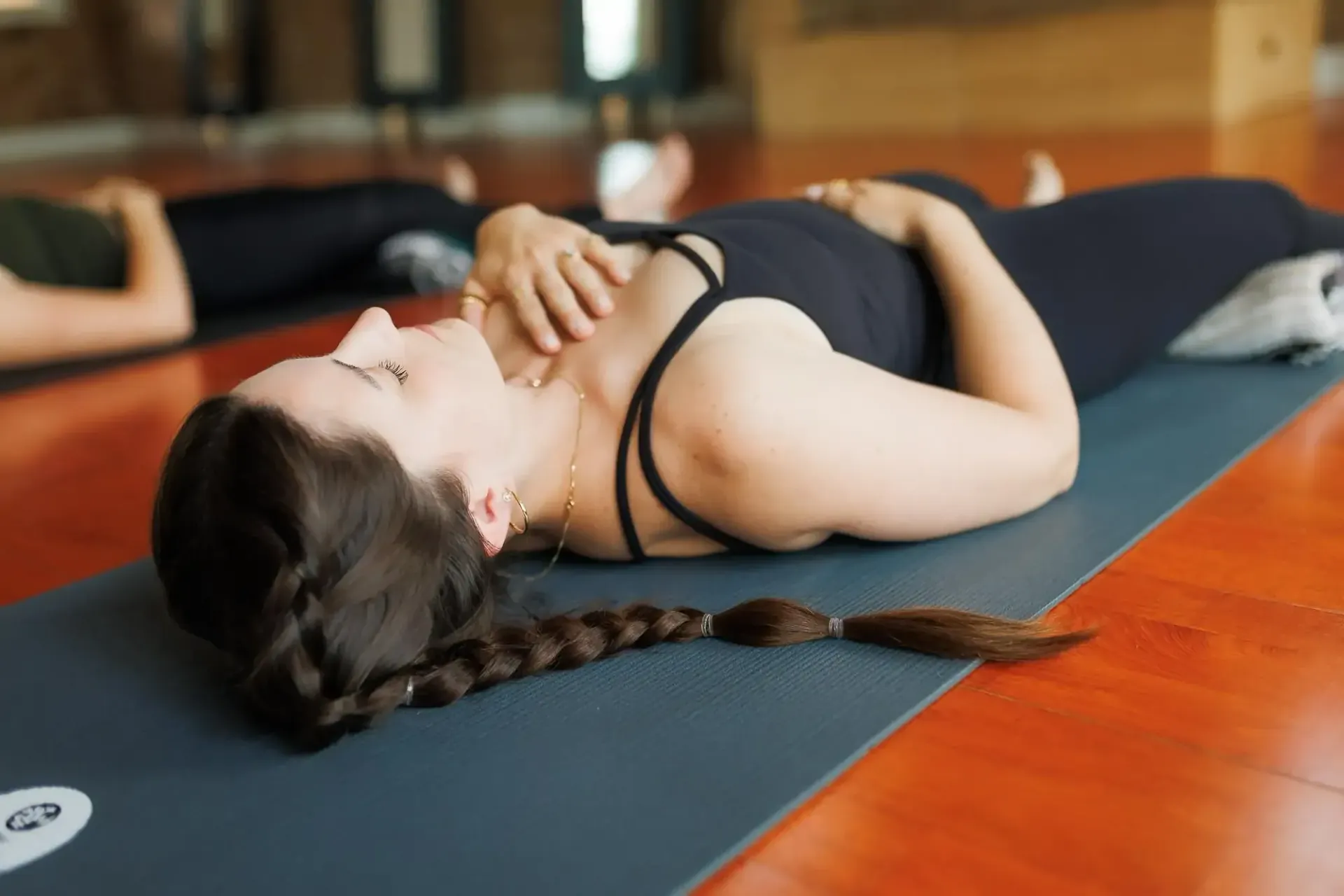
Deep stretch yoga is a slow-paced yoga style that focuses on holding poses for extended periods. Practitioners typically hold poses for anything between one and five minutes. Aside from targeting deeper muscles, deep stretch yoga also works connective tissues like fascia, ligaments, and joints.
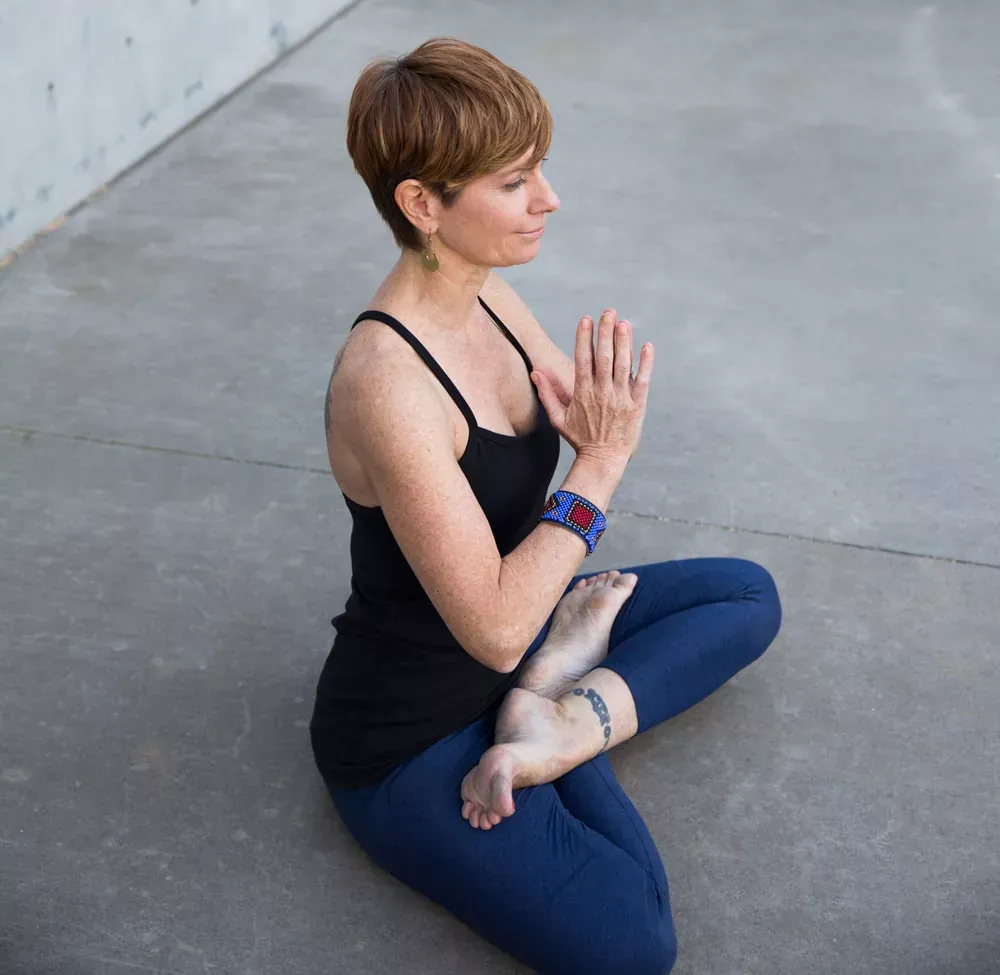
This practice is often compared to yin yoga because of its emphasis on stillness and deep tissue release. Deep stretch yoga classes encourage mindfulness, breath awareness, and mental relaxation alongside physical stretching.
Benefits of Deep Stretch Yoga
Deep stretch yoga gives your body the time it needs to release and lengthen connective tissues and tight muscles. As a result, muscle tension caused by stress, hours of sitting, or intense workouts is lowered, and overall flexibility improves.
As your mobility grows and circulation improves, your joints benefit, too. Many practitioners notice that their range of motion increases as even achy joints start feeling better. The combination of slow breathing and mindful movement promotes relaxation and relieves stress even more.
Deep Stretch Yoga vs Yin Yoga: What’s the Difference?
Yin yoga is a specific style rooted in traditional yoga principles and structured sequencing of movements. Deep stretch yoga is a broader concept that allows instructors and practitioners to include any slow, long-held stretching practice.
While both focus on passive poses and longer holds, yin yoga follows a more defined methodology. Deep stretch classes at Uptown Yoga give us a chance to be more flexible in our approach and intensity.
A Simple Deep Stretch Yoga Sequence for Beginners
Deep stretch yoga is not reserved for
Uptown Yoga classes. It’s also a way of practicing that’s easily included in your home routine.
Take a look at this simple sequence that’s perfect for beginners:
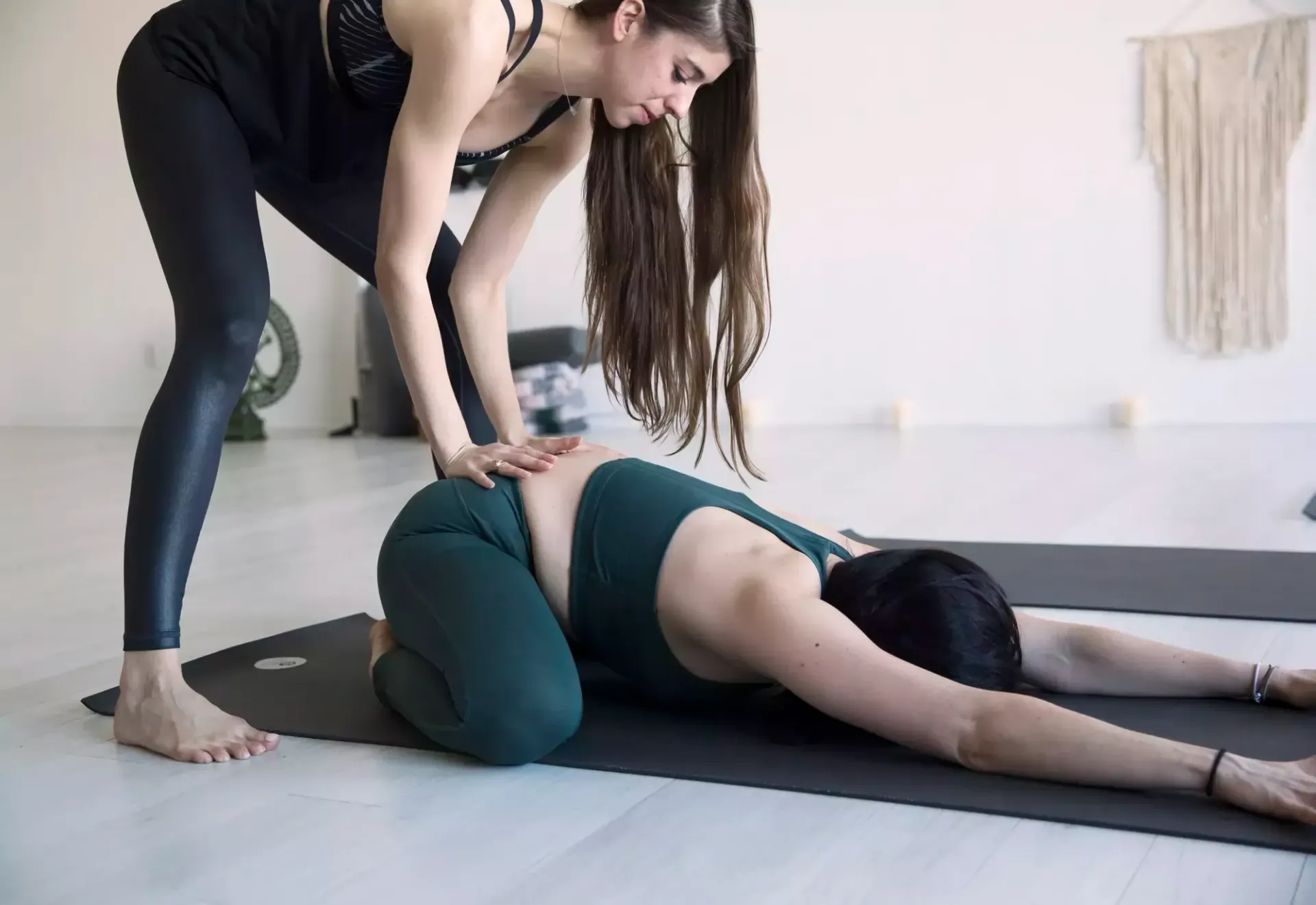
- Child’s Pose:
Often used as a resting pose during more intense yoga classes, child’s pose gently stretches the hips, lower back, and thighs. Find a comfortable position and hold for one or two minutes while focusing on steady breathing.
- Seated Forward Fold:
This asana targets your hamstrings and your lower back. Hold it for a few minutes to allow your muscles to settle and release. Remember to keep your back straight and your knees slightly bent to avoid undue strain.
- Low Lunge:
Low lunges are great for releasing tight hip flexors from prolonged sitting. Hold each side for one or two minutes.
- Supine Twist:
Supine twists improve flexibility and release back tension. They’re an excellent antidote to days spent at a desk or hunched over a screen. Lie on your mat with your feet at a 90-degree angle. Twist gently while keeping your shoulders grounded.
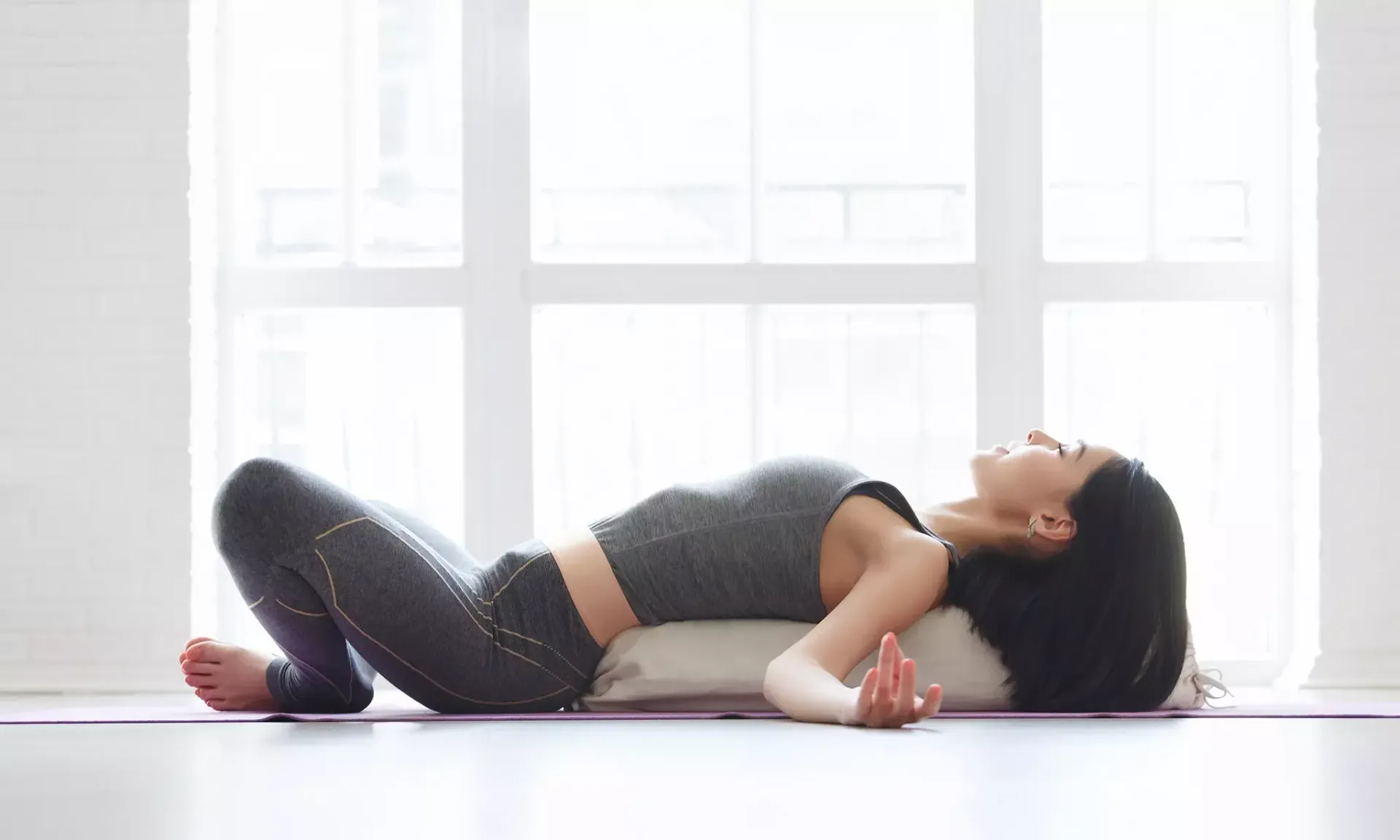
- Reclining Butterfly Pose:
Try the reclining butterfly pose to open tight hips and inner thighs. If that feels too strong or uncomfortable, don’t hesitate to use cushions or blocks for support.
If you haven’t practiced deep stretch yoga before, remember to warm up before you start to avoid muscle strains. Never force a stretch beyond what feels comfortable. Instead, slow down, focus on your breathing and wait. You might just feel that your muscles release after a while.
No two days are the same, and you’ll notice your muscles relaxing more one day but not the next. Props are a great way of supporting your body and maintaining proper alignment as you’re allowing your body to release.
How Often Should You Practice Deep Stretch Yoga?
If you’re looking to add deep stretch yoga to your practice, consider starting with two or three sessions per week. Plan between 20 and 45 minutes per session. You can even practice daily if your body feels comfortable and supported. In any case, consistency is more important than intensity to reap the benefits of long-term flexibility.
Is Deep Stretch Yoga Good for Beginners?
Deep stretch yoga is excellent for beginners due to its slow pace and relatively low intensity as long as you don’t push into discomfort. With a little patience, deep stretch yoga allows practitioners to ease into flexibility work without pressure.
Props like blocks, bolsters, or pillows can make poses more accessible as your flexibility improves. There is really only one rule when it comes to practicing deep stretch yoga, and that is to listen to your body.
Final Thoughts
Deep stretch yoga classes are a gentle yet effective way to improve your flexibility and release tension. This practice’s slow pace allows the body to open gradually without undue strain and discomfort.
Done regularly, deep stretch yoga can support both physical recovery and mental relaxation. Regardless of your experience level as a yoga practitioner, it’s a great addition to your well-being routine. If you’re unsure where to start, join a
deep stretch yoga
class at Uptown Yoga,
talk to our instructors and start improving your flexibility and relaxation today.